
Year-round tourism: before the visitors comes the life of local communities
Cultural tourism, slow tourism, cycle tourism and food and wine: sustaining the value of hospitality for visitors and local residents.
Donatello Antonio Anello — NOAH ·
When a visitor leaves, what remains?
That is the question I would start with when talking about tourism. Are there purchases from local businesses, relationships and job opportunities left behind? Is there a service that residents can also use? Or are what remain mainly the costs and exhaustion of a few very intense weeks, followed by months of closed shutters?
I believe the purpose of a tourism project also lies in the answers to these questions. An area must be able to carry on living after the visitor leaves.
The reflections in Pax, Artribune's newsletter dedicated to cultural tourism, offer a valuable starting point: looking at places through the people, activities and relationships that keep them alive. Without reducing a village to a beautiful photograph or asking its residents to become extras in a tourism story.
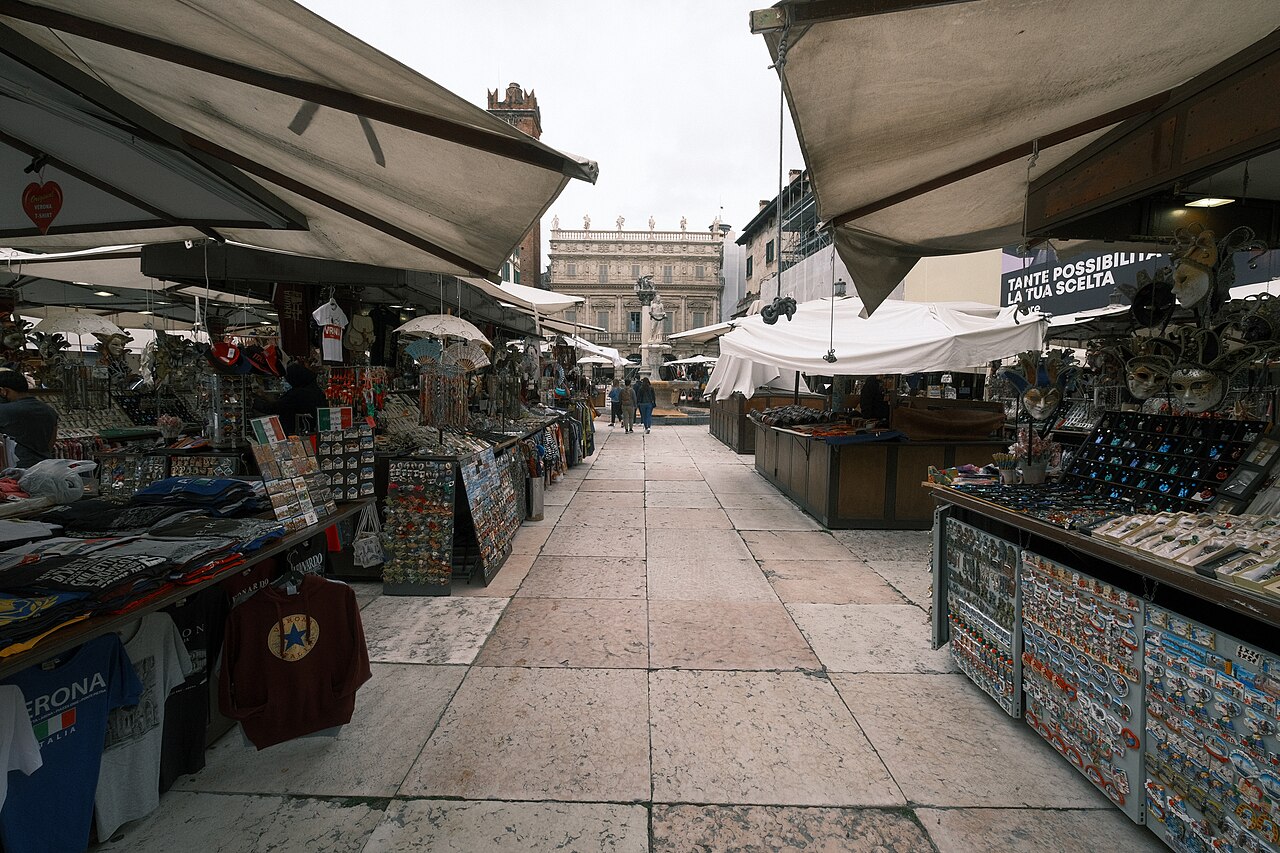

Culture is also what happens every day
A museum, a castle and an archaeological site are important reasons to travel. But the culture of a place continues beyond their doors.
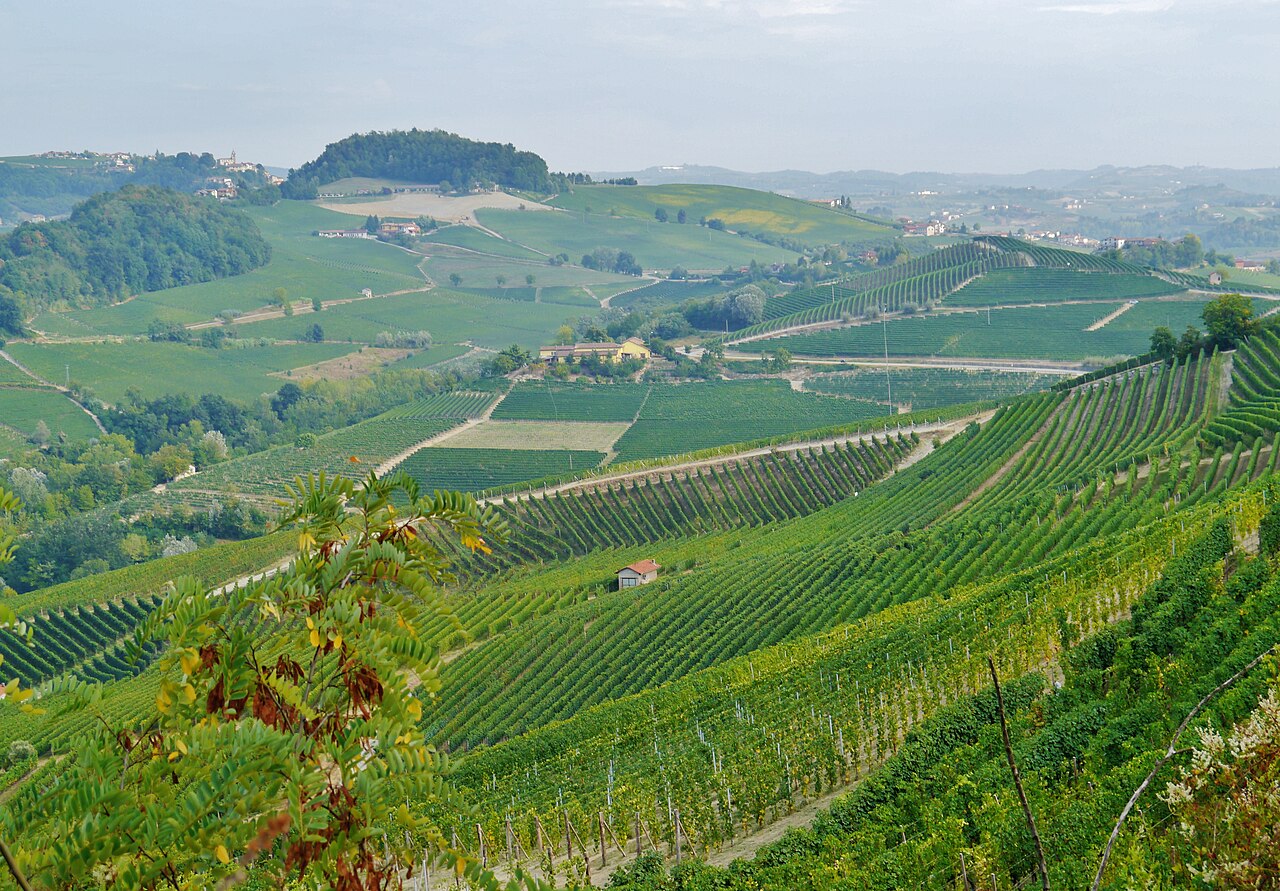
It is found in the way a slope is farmed, a product preserved or a house built. In a craftsperson's skills and the decisions of those who keep producing in a challenging place. And in contemporary changes too: an area does not have to stand still to be interesting.
This is where food and wine tourism comes in. A wine or a cheese can open a conversation about the landscape, work, water and seasons. Tasting gains depth when it helps people understand what lies behind the product.
On one condition: respecting the time and needs of the people who make that product. A winery is first and foremost a workplace.

Walking and cycling change our relationship with places
Slow tourism invites us to give an experience time. To stop, observe, meet someone and change a plan.
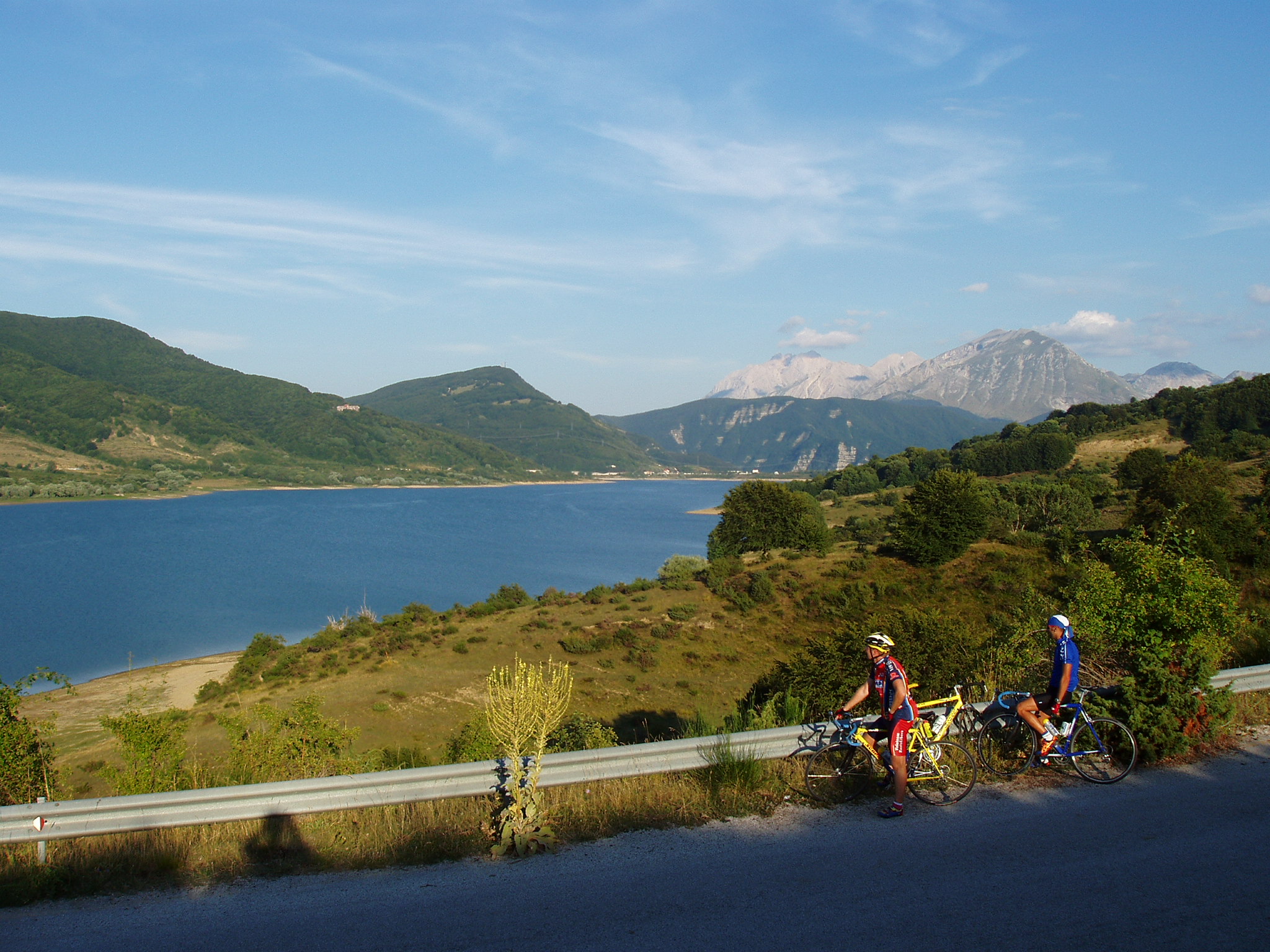
Cycle tourism can connect places that, described separately, might seem to have little in common: a station, a historic centre, a workshop, a farming landscape, a museum and a producer.
For that connection to work, however, it needs looking after. Suitable, maintained routes are needed, along with reliable information on difficulty, services, stopping places and connections to other transport.
Slowness is about the way we travel. It should not describe time wasted looking for information or discovering that the door we have arrived at is closed.

Tourism 365 days a year: providing continuity while respecting the seasons
“Year-round tourism” is an appealing goal, provided it is given a concrete meaning.
It does not mean having the same number of guests every day or expecting every business to be open all the time. In the mountains, for example, weather conditions and safety affect what can be visited. Agricultural production also has rhythms that cannot be bent to a booking calendar.
It means creating different reasons to return at different times.
A cultural visit, a workshop, a walking or cycling route and a meeting with a producer can form seasonal offers. Their feasibility depends on the places, available services and people who make them possible.
The crucial step is from a single initiative to a continuous offer. An event can attract attention. To encourage a guest to stay, or persuade them to return, everything else needs to work.
It is a matter of managing the local area
Cultural tourism, slow tourism, cycle tourism and food and wine tourism have different characteristics and audiences. They can, however, share the same local organisation.
Visitors do not travel through our administrative and commercial sectors: they live an experience. If a connection is missing, a timetable is wrong or a booking does not work, the quality of the whole experience suffers.
This calls for practical agreements: who updates the information? Who maintains the route? Which opening times can we guarantee? How do people reach the places? Which personal needs can we meet?
And residents need to be heard. Because spreading visits more evenly makes sense if it contributes to a sustainable balance between hospitality, work and everyday life. Tourism can help a place, but it does not replace policies for housing, education, health and transport.
Measure what remains, too
Alongside arrivals and overnight stays, I would look at nights spent in the quieter months, continuity of employment, purchases from local businesses and use of services.
I would ask operators whether the project is economically sustainable. And I would ask local residents whether they feel its benefits or mainly its burden.
For me, this is the why: creating conditions that allow people to continue living, working and feeling a sense of belonging in their own places, while opening them to encounters with others.
From this perspective, year-round tourism becomes a practical commitment: sustaining the value that hospitality brings to the local area.
Sources and further reading
The author's reflection drawing on Pax's editorial contributions and the references below. The practical connections and indicators proposed reflect NOAH's interpretation.
- Artribune — Pax, cultural tourism and local areas
- UN Tourism — Best Tourism Villages, communities and rural development
- ECF and UN Tourism — cycle tourism, seasonality and rural communities
- UN Tourism — tools for observing seasonality
Real photographs and credits
The photographs illustrate urban life, farming landscapes and cycle tourism; they do not document activities organised by NOAH. Authors, sources and licences are stated in the captions. Their inclusion does not imply collaboration or endorsement of the article.