
Food and wine tourism: the journey begins before the tasting
Wineries, olive mills, dairies and hospitality: connecting food and wine tourism, accessibility, energy and mobility. Real examples and verified data.
Explore the article's topics
- From research topics to business decisions
- A winery and a dairy can become a reason to travel
- A place takes shape through its people
- Mobility is part of hospitality
- From the train to the Bordeaux vineyards
- La Loire à Vélo and the value of an organised network
- Accessibility means being able to choose with reliable information
- Energy and comfort are part of service quality
- Digital tools and artificial intelligence should make it easier for people to meet
- An experience that also respects the people living and working there
- NOAH's contribution
- Article sources
A winery, olive mill, dairy or market can tell the story of a place. To experience that encounter, people also need information, hospitality, mobility and services designed around them.
By Donatello Antonio Anello — NOAH consultancy and sales
When I think of food and wine tourism, I picture someone opening the door to their working life.
It might be a winegrower explaining why harvesting on that slope still takes so many hours by hand. A cheesemaker recognising the right moment with a gesture. Someone guiding a visitor among olive trees, kneading dough or choosing fish at the market. The product comes at the end of a story made of places, expertise and decisions.
For travellers, being able to step into that story has value. But the experience begins before the tasting: when I look for information, try to book, work out how to get there and wonder whether I can take part alongside the people travelling with me.
I think this is where it makes sense to start when talking about hospitality.
From research topics to business decisions
Roberta Garibaldi's research and public communication provide a reference for exploring the relationship between food, travel and place. Her work on sustainability and the public programme of the Food and Wine Tourism Management course also address experience design, technologies, communication and local networks. [1] [2]
These pages offer my practical interpretation: connecting those topics to my work with NOAH in energy, efficiency and mobility. I want to understand which services make an experience easier to choose and enjoy, and which measures make sense for the business offering it.
A winery and a dairy can become a reason to travel
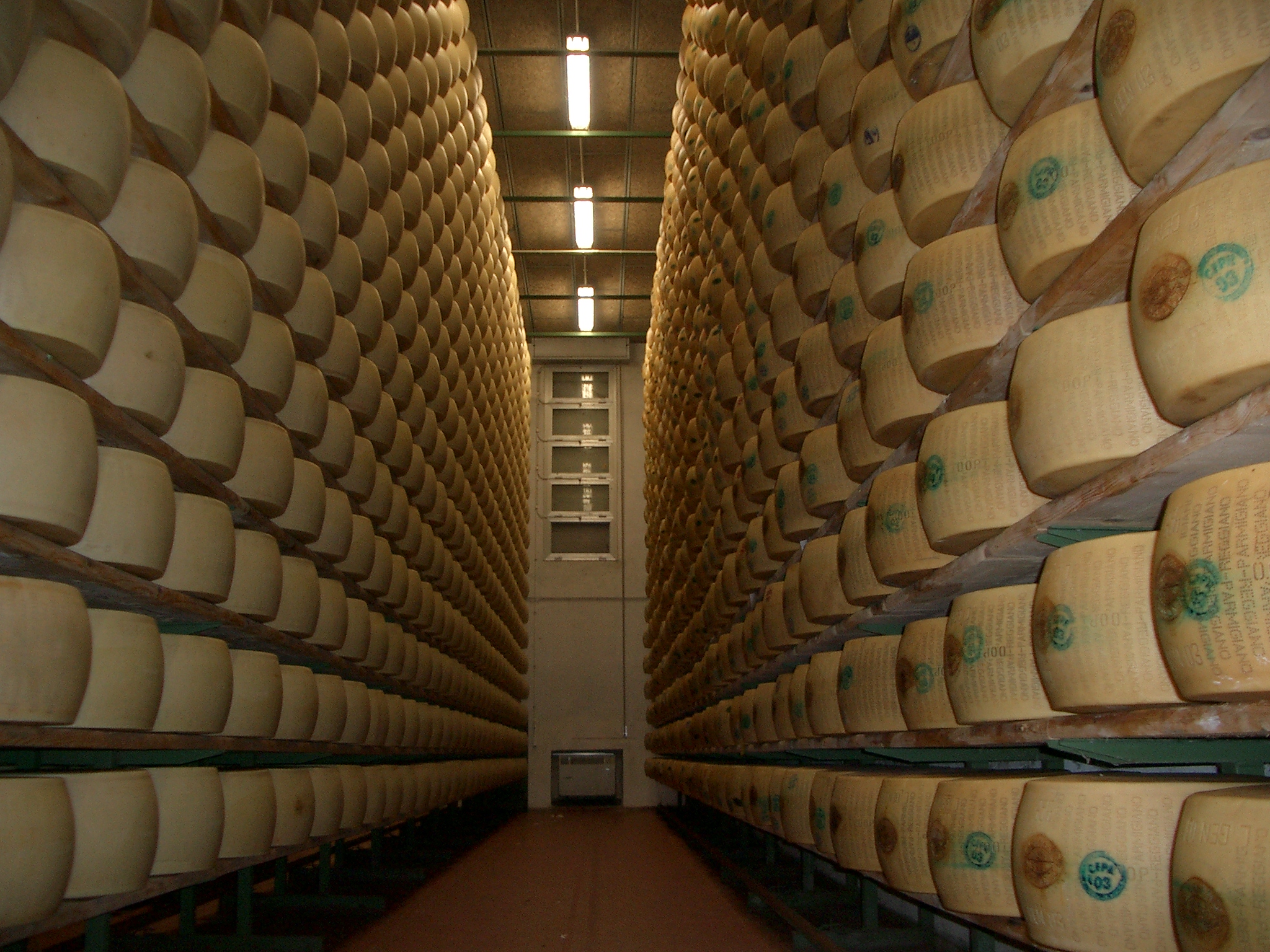
An Italian example helps make this reasoning concrete. The Parmigiano Reggiano Consortium reported more than 180,000 visitors to dairies in the production area in 2025. Of these, more than 30,000 took part in the two editions of Caseifici Aperti. The second figure is part of the first, not an additional number to add. [3]
It is a productive business opening its doors and making its work understandable. For the owner, this requires organisation: who welcomes visitors, how long the visit lasts, which spaces are available, how groups are managed and how visits coexist with everyday work.
Visitor numbers show the interest in that experience. Understanding the outcome for an individual business also requires other data: income from visits, purchases, staff hours, costs and subsequent returns. An open door becomes a service when someone takes responsibility for managing it.

A place takes shape through its people
Slow Food Travel places communities of producers, craftspeople, chefs, guides and local hospitality at its centre. Featured destinations include Sulcis Iglesiente, the Biella mountains, Genoa and its hinterland, and Bergamo with its cheese-producing valleys. [4]
These examples invite us to look more broadly: from the individual product to the people who make it possible. In an area, you might encounter a bakery, a small livestock farm, a market and a family kitchen, each with different rhythms and characteristics.
Useful collaboration keeps these differences recognisable. A shared calendar can help people find an available visit; an accommodation provider can direct them towards a producer; a transport service can make a more distant venue accessible. Relationships work when they have clear contacts, schedules and commitments.
Mobility is part of hospitality
Between a station, an accommodation provider and a place to visit, one stretch of the journey can determine whether the whole day is feasible.
Anyone arriving by train needs to know how to continue. A cyclist looks for a suitable route, somewhere to stop and, when needed, a charging point. A family needs to know whether they can travel together. Anyone tasting wine needs an organised return journey that does not require driving or cycling after drinking alcohol.
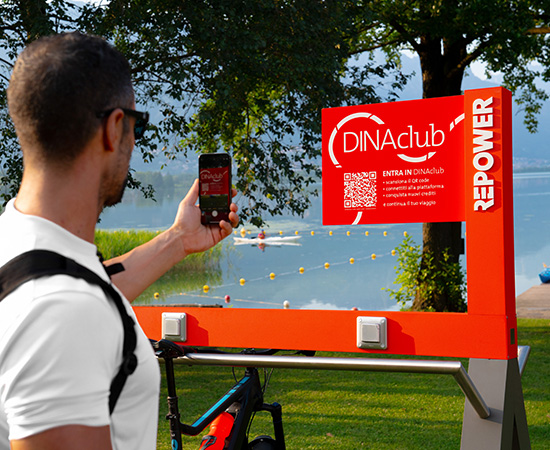
Repower's DINAclub offers a concrete example of connecting e-bike charging, hospitality venues and routes. The portal lets users find network locations and opportunities to discover the local area. [5]
For an accommodation provider, the question is how the service fits into the guest's day: where it is, when it can be used, how it is signposted and who can help. Electric car charging, including through RCN, meets a different and complementary need, linked to arrivals and stays. [6]
Having the equipment is a starting point. The service also includes information and the ability to use it under the stated conditions.
From the train to the Bordeaux vineyards
In Cérons, in the Bordeaux area, the La Bulle Verte station opened in July 2025 featured 12 self-service e-bikes and six geolocated routes, linking arrival by train with visits, producers and food stops. [7]
It is an example of how to organise the transition between the transport used to arrive and the way people explore the area. It does not justify concluding that every place reachable by bicycle is accessible to everyone. That assessment requires information on routes, entrances and services.
The organisational lesson I take from this is practical: design the guest's journey from arrival to return, checking the links between the different services.
La Loire à Vélo and the value of an organised network
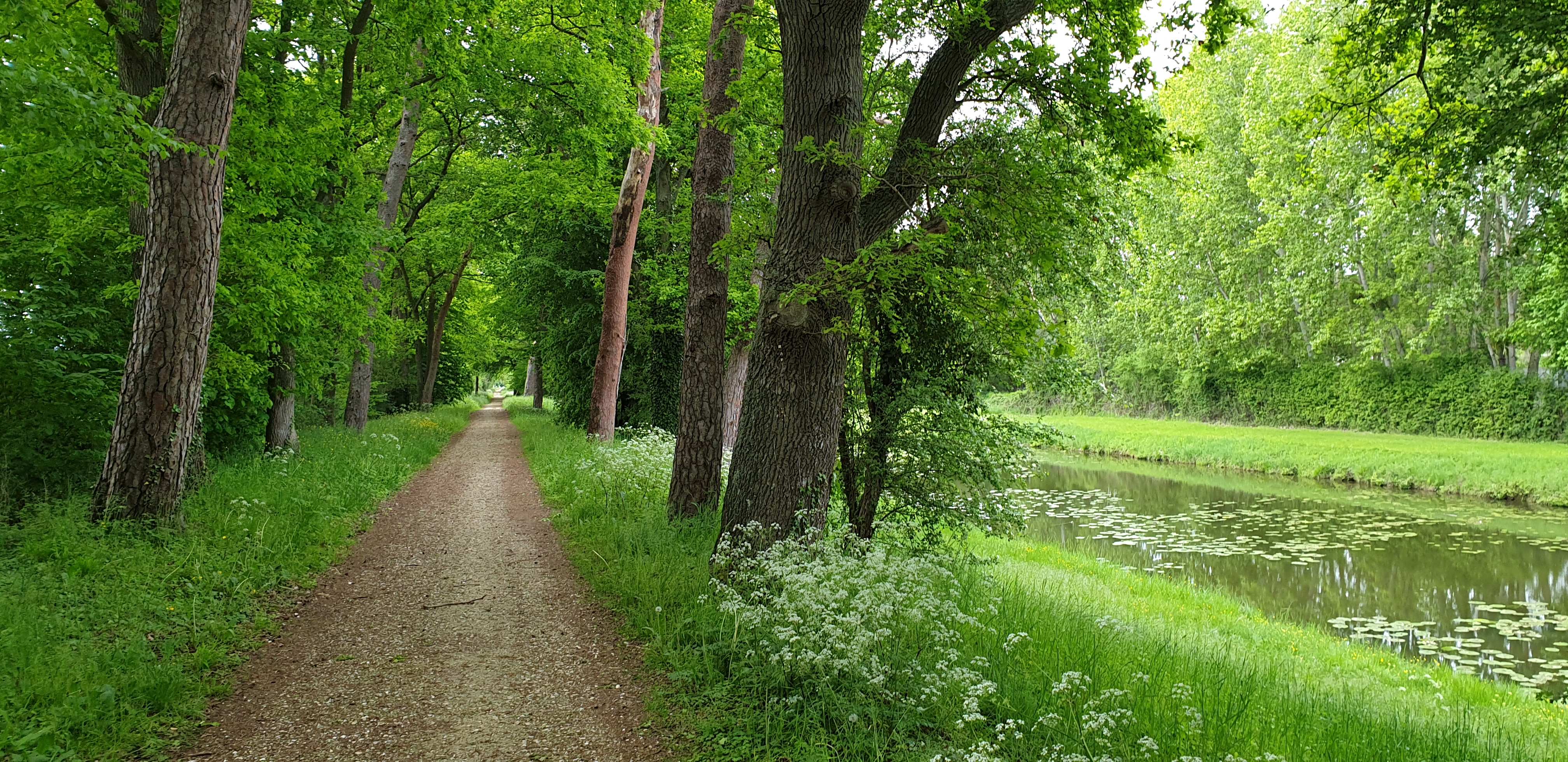
The Loire à Vélo study relating to 2022 reports 1.8 million cyclists and estimates €54.5 million in economic impact. These figures relate to that year and that area; they are not a forecast that can be transferred to other destinations. [8]
Along the route, the portal connects itineraries, accommodation, dining, heritage and services such as hire and luggage transfers. [9]
For those running a tourism business, the interesting connection is between opportunities to move and reasons to stop: meeting a producer, eating, visiting a place or staying overnight. Turning this into a financial result requires knowing which services are actually used and how much they cost to maintain.

Accessibility means being able to choose with reliable information
The label “accessible” is of little use if it does not explain what people will find on arrival.
Are there steps? Is the surface even? How far do people need to walk? How wide are the passageways? Is a usable toilet available? Can a deaf person follow the story? Does someone with a visual impairment receive understandable information? Are breaks planned? Can the group stay together?
The French system Tourisme & Handicap, managed by Atout France, distinguishes four areas: mobility, visual, hearing and cognitive or mental disabilities. Recognition requires an assessment and may cover at least two of the four areas. To understand the offer, it is therefore also necessary to check which needs are actually addressed. [10]
For a business, working on accessibility means gathering measurements and information, speaking with people and organising the assistance offered. Sometimes changes to the physical space are needed; at other times, a different timetable, readable text or a different approach to guiding the visit can also matter.
Energy and comfort are part of service quality
A winery has production and storage needs. A dairy operates with processes, hot water and refrigeration. A kitchen concentrates several loads at particular times. Visitors add lighting, indoor comfort, services and, in some cases, charging.
In my work, I start with measurements: consumption, schedules, power and actual uses. Solar PV, storage, lighting or a different way of managing systems must be assessed against those data, the available space and the business's needs.
Quality hospitality includes an environment where people can see and hear well, an appropriate temperature and services that work. Efficiency should be pursued while maintaining the conditions needed for people to work and spend time there.
Results should also be described using understandable indicators. For example: energy consumed per unit produced, consumption during opening hours, water used and service costs. To attribute an improvement to a measure, comparable periods and conditions must be used.
Digital tools and artificial intelligence should make it easier for people to meet
Someone looking for a visit needs up-to-date information: availability, duration, price, languages, how to get there and participation conditions.
Digital tools can help connect these elements. Artificial intelligence can assist in organising content and preparing texts, with data and translations checked. Quality can also be measured by how many enquiries receive a useful answer and how much work is needed to handle them.
A correct address, a confirmed booking and a precise description of the entrance can matter more than a spectacular webpage. On arrival, the promise made online must be reflected in the service.
An experience that also respects the people living and working there
Opening a business to visitors involves time for preparation, cleaning, guiding and management. It requires respect for production, residents and shared spaces.
Before increasing visitor numbers, it is worth understanding how many visits can be managed well. The same applies to seasons: an indoor activity can offer opportunities at different times of year if staffing, access conditions and demand allow.
The return can continue after the visit through a purchase, a recommendation or a new booking. It must be developed with people's consent and measured without attributing results to tourism that have not actually occurred.
NOAH's contribution
With NOAH, I work where business needs, energy and mobility meet. As a Repower agent since 2016, I know the value of a technical solution when it fits into the real organisation of the people using it.
In food and wine tourism, my contribution starts with this method: listening to the people doing the work, reading the data, identifying issues and connecting expertise and services. Experience design, accessibility, guiding and hospitality require the involvement of the relevant professionals.
A winery, olive mill or dairy can offer much to discover. Preparing a welcome means making sure people can arrive, understand and participate under the conditions we have promised.
Do you run a production or hospitality business and want to assess energy, mobility and services for your guests? Let's talk: www.noahsrls.it.
Article sources
- Roberta Garibaldi, *2023 Food and Wine Tourism and Sustainability Report*, presentation
- Roberta Garibaldi Academy, public programme of the *2026 Food and Wine Tourism Management Course*
- Parmigiano Reggiano Consortium, BIT press release of 10 February 2026 with 2025 data
- Slow Food Travel, introduction and destinations
- Repower DINAclub
- Repower, charging network
- Municipality of Cérons, press release on the opening of the La Bulle Verte station, July 2025
- CRT Centre-Val de Loire and Solutions&co, 2022 Loire à Vélo visitor numbers and economic impact study, summary
- La Loire à Vélo, official portal and services
- Atout France, Tourisme & Handicap procedure
Sources consulted on 19 October 2026. Numerical data retain their reference year. Operational observations and connections between the examples reflect the author's interpretation.
Photo credits
Third-party photographs document the places and services mentioned and retain their respective licences. Their inclusion does not imply collaboration with NOAH or endorsement of the article by the projects concerned.
- Dairy: Fabio da Milano (ManuGino), Wikimedia Commons, CC BY-SA 3.0.
- Loire à Vélo in Briare: TCY, Wikimedia Commons, CC BY-SA 4.0.
- DINA: Repower, official material already used by NOAH.
Full photographs, resized in the supporting materials; NOAH's text and layout are separate from the images.